TECHNOLOGY DIRECTION / JUL 14, 2026
Why technology direction often fails after approval
Most technology plans are not defeated by a bad idea. They lose momentum in the gap between the decision and the delivery.
/AUTHOR
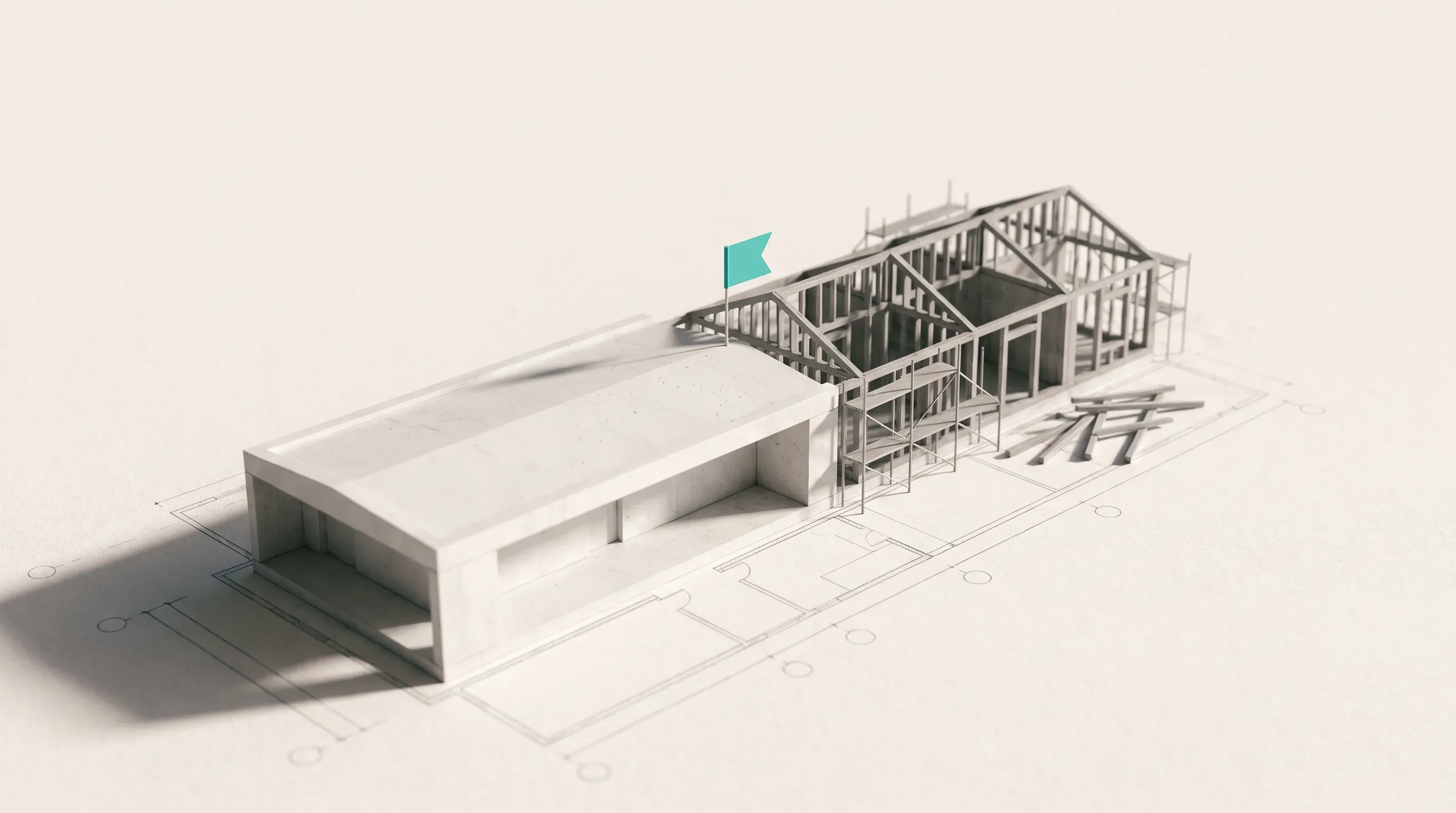
A technology decision gets approved. The business case is signed, the budget is set, and the room agrees on the direction. Six months later the work is slower, quieter, and harder to explain than anyone expected. Nothing went obviously wrong. It just never turned into the outcome that was promised.
This pattern is common, and it rarely traces back to the quality of the original idea. The idea was usually fine. Everything that had to happen after the decision is what fell apart.
Approval is a moment, delivery is a system
Approval feels like the hard part because it takes the most visible effort. Stakeholders align, defend their numbers, and finally make a choice. But approval is a single moment. Delivery is a system that has to hold together across teams, vendors, budgets, and time.
The decision answers what and why. Delivery lives in who, how, in what order, and against which constraints. When a team leaves those questions for later, later becomes the place where direction quietly erodes.
Where technology direction starts to drift
Drift is rarely dramatic. It comes from a series of reasonable, local choices that no one connects until the effect is already visible.
- The plan assumed capacity that the team never actually had.
- The operating model targeted a future state, not the messy transition into it.
- Ownership spanned three groups, which in practice meant it belonged to none of them.
- A dependency that looked minor on the slide turned out to gate everything else.
Each of these is survivable on its own. Together they compound, and the approved direction becomes the direction the organization can no longer afford to follow.
The question is not whether the strategy was right. It is whether the strategy was ever shaped into something a team could actually deliver.
Shape the plan for the transition, not the destination
Most plans describe the end state well and the transition into it poorly. That transition is where the real risk sits, because current systems, current people, and current commitments all have to keep running while something new gets built alongside them.
A direction that can survive contact with reality tends to share a few traits:
- Sequenced, not just scoped. Treat the order of work as a decision, not an afterthought. State what has to be true before the next step can start.
- Owned by a name, not a committee. One accountable owner per outcome, with the authority to make trade-offs when they arise. And they always arise.
- Honest about capacity. The plan reflects the people and time that exist, not the ones the org wishes it had.
- Connected to the operating reality. Shape delivery, run, and change together, so nothing lands on a team that was never resourced to receive it.
The advisory point
The most useful work often happens right after approval, when the energy is high and the direction is still abstract. That is the window to convert a decision into a delivery model the business can rely on, before the first quarter of drift sets the tone for the rest. Which version of the plan does your team actually hold: the slide, or the one that survives the constraints?
Good direction is not the slide that gets approved. It is the version of the plan that still makes sense when the constraints show up. Building that version is the work, and it is worth doing before the momentum is spent.